Post
PIECE-DYED LINEN & YARN-DYED LINEN: HOW TO CHOOSE THE RIGHT ONE
Among the many fabric treatments in the textile industry, the different types of dyed linen play a key role in determining fabric quality, aesthetics, and cost-effectiveness.From piece-dyed to yarn-dyed linen, each method offers unique benefits depending on your usage goals.

What Are the Main Types of Dyed Linen?
Piece-Dyed Linen: Definition, Pros, and Cons
Piece-dyed linen refers to fabric that is woven into complete sheets before being dyed. The dyeing process occurs after the fabric has been woven, with color applied to the surface. This process ensures an even color throughout the fabric, making it suitable for mass production in various shades while maintaining consistency.
One of the main advantages of piece-dyed linen is its flexibility in the production process, allowing for the use of multiple color tones to be applied uniformly. However, because the dye is only applied to the surface fibers, the color may fade more quickly after multiple washes compared to other dyeing methods. Additionally, creating complex patterns such as plaids, stripes, or multi-colored designs is challenging with this method, as the fabric has already been woven and dyed later, making it difficult to control the exact color details of each fiber.
Yarn-Dyed Linen: Definition, Pros, and Cons
In contrast, yarn-dyed linen involves dyeing each individual yarn before it is woven into fabric. This method allows manufacturers to precisely control the color of each yarn, which creates a fabric with intricate patterns and a harmonious color structure that is visible from within the fabric. This is one of the reasons why European linen is often woven from dyed yarns to achieve superior aesthetic appeal and durability.
The main advantage of yarn-dyed linen is its superior color retention. The color penetrates deeply into each individual fiber, ensuring that the fabric maintains its original color after several washes. Moreover, creating complex, diverse patterns is easier with this method. However, the yarn-dyeing process requires more time and higher technical expertise, which leads to higher production costs and, ultimately, a more expensive final product.

Yarn-dyed linen holds its color 30–40% better than piece-dyed linen under typical usage conditions. This is particularly important for products such as clothing, sofas, and premium accessories.
Applications of Different Types of Dyed Linen in Everyday Products
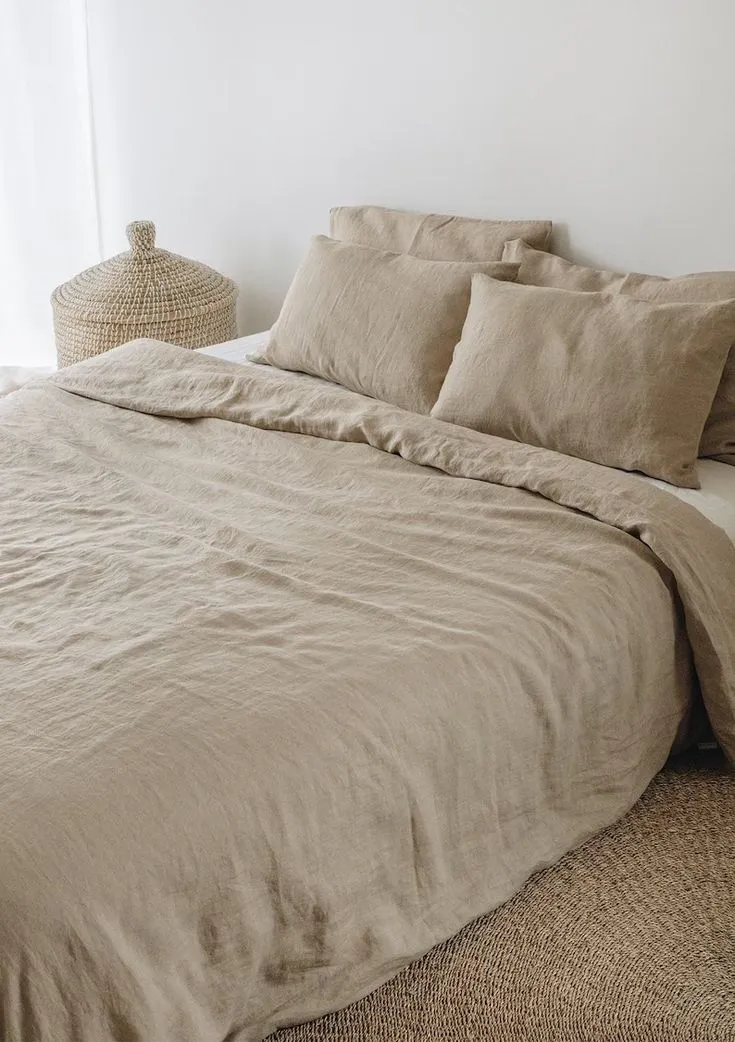
Thanks to its even coloring and ability to be mass-produced, piece-dyed linen is widely used in home goods and interior decor. In the bedding industry, this fabric provides a light, natural feel while ensuring comfort due to its soft surface and excellent moisture-wicking properties. Curtains are also a prime example of piece-dyed linen, where uniform color enhances the aesthetic appeal of living spaces, making them feel harmonious and pleasant.
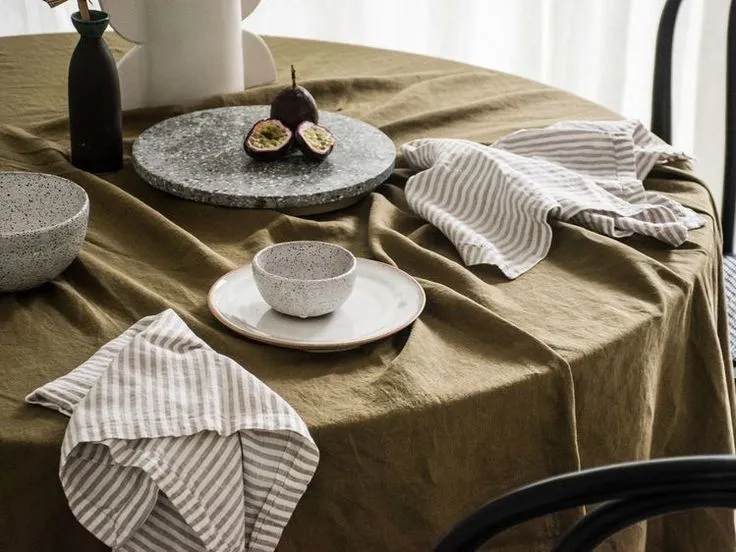
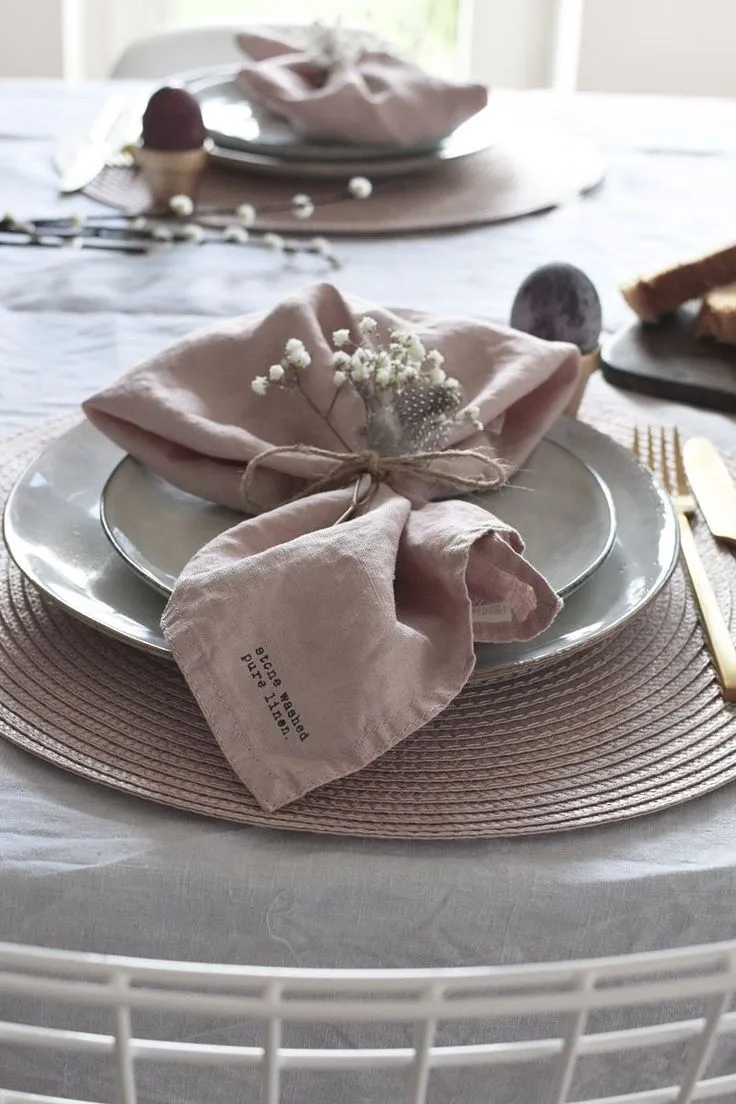
In addition, piece-dyed linen is often chosen for decorative items such as tablecloths, napkins, or handmade goods. Due to its affordable price and ease of fabrication, it is a popular choice for DIY projects or small-scale production. In particular, imported piece-dyed linen from China or Europe has been gaining popularity due to improved quality and a wider color palette.

Yarn-dyed linen – The premium solution for fashion and interiors
Yarn-dyed linen not only captivates designers with its superior aesthetics but is also considered the ideal choice for premium products. In the fashion industry, especially in sustainable fashion, this fabric offers sharp detailing and long-lasting color retention. Items such as linen shirts, dresses, or scarves made from yarn-dyed linen not only retain their color but also exude a high-end feel from the very first glance.
Furthermore, yarn-dyed linen excels in the interior design industry. Sofa upholstery, decorative pillows, and lounge chairs made from this fabric maintain consistent color and shape over time. Especially when it comes to patterns such as stripes or checks, yarn-dyed linen is the only choice that meets both technical and artistic requirements.
When to Choose Between Different Types of Dyed Linen
The choice between piece-dyed linen and yarn-dyed linen should not be based purely on personal preference but should be made with consideration of the intended use. If you need fabric for products with solid colors, to be used in less demanding environments, and cost is a priority, piece-dyed linen is the most logical choice. However, if you are seeking material for premium products that need to retain color well and require high aesthetic quality, consider opting for yarn-dyed linen, particularly European linen with quality certifications such as EUROPEAN FLAX and OEKO-TEX.
For manufacturing businesses, smartly combining both types of fabric can optimize budgets while maintaining product quality and design versatility. This is why many international brands now integrate both types of fabric into a single collection.

Why Imported Dyed Linen Adds More Value
Regardless of the fabric type you choose, an essential factor that cannot be overlooked is the origin and manufacturing standards. Imported linen from Europe – particularly from France, Belgium, and the Netherlands – is highly regarded due to the ideal growing conditions for flax, stringent manufacturing processes, and commitments to sustainability. European linen fabrics not only ensure reliability in terms of quality but also elevate the final product’s value.
In Vietnam, the demand for imported linen is steadily increasing, particularly in industries that require high standards such as interior design, export fashion, and premium home goods. As the market develops, discerning consumers are increasingly shifting from conventional fabrics to products with clear origins, eco-friendly attributes, and long-term sustainability.
About Linen Vietnam – Trusted Supplier of Dyed Linen
Understanding the differences between piece-dyed linen and yarn-dyed linen will help you make a more informed choice in each fashion, decoration, or business project. Each method holds its own unique value, suitable for different product types and brand directions. Whether it’s a soft color for living spaces or intricate patterns for high-end clothing, linen remains a symbol of natural elegance and sophistication.
If you need more detailed advice on imported linen or are undecided between European linen and more conventional options, please contact Linen Vietnam for in-depth consultation from our team of experts. We offer a wide range of both types of fabrics, with clear quality certifications, and are ready to accompany you in all your creative projects.
Conclusion: Choose the Right Type of Dyed Linen for Your Needs
When it comes to selecting linen for fashion, interiors, or home decor, understanding the different types of dyed linen helps you make smarter choices. Whether you opt for affordable piece-dyed linen or premium yarn-dyed linen, the right choice ensures lasting beauty, durability, and value