Style
Linen and Polyester Fabrics: The Ultimate Comparison Guide
May
When navigating the vast world of textiles, understanding the properties of different materials is crucial. This comprehensive guide will delve into the characteristics of Linen and Polyester fabrics, two widely used yet distinct materials, helping you make informed decisions for your next project or purchase.
Understanding Linen: The Ancient Natural Fiber
Linen, derived from the flax plant, boasts a rich history as one of the oldest cultivated fibers, celebrated for its unique strength, absorbency, and natural beauty. This natural fiber is renowned for its exceptional breathability, making it a popular choice for warm weather apparel and bedding. Its hollow fiber structure allows air to circulate freely, providing a cooling sensation against the skin. Unlike many synthetic fibers, linen naturally wicks moisture away, contributing to its comfort in humid conditions.
The texture of linen is distinct, often characterized by a slightly slubby, irregular surface that lends a natural, organic aesthetic. While incredibly strong and durable—becoming softer with each wash—it is also prone to wrinkling, a trait often embraced as part of its charm.
Environmentally, linen is a more sustainable option as flax requires less water and fewer pesticides than cotton, and the fiber itself is biodegradable. However, its cultivation and processing can be more labor-intensive, often leading to a higher price point compared to mass-produced synthetics. Common applications include luxurious bedding, elegant apparel, durable home textiles, and even fine art canvases.
Delving into Polyester: The Versatile Synthetic Material
Polyester is a synthetic polymer, a man-made fiber that revolutionized the textile industry due to its remarkable durability and versatility. Developed in the mid-20th century, it is derived from petroleum-based chemicals, specifically polyethylene terephthalate (PET). This material is celebrated for its exceptional resistance to wrinkles, shrinking, and stretching, making it an incredibly low-maintenance fabric.
One of the standout features of polyester is its incredible strength and abrasion resistance, ensuring garments and other textile products maintain their integrity even after extensive use and washing.
Unlike linen, polyester offers superior colorfastness, meaning it retains dyes very well and resists fading, even when exposed to sunlight or frequent laundering. It’s also hydrophobic, meaning it repels water, which contributes to its quick-drying properties and makes it ideal for activewear and outdoor gear.
While it may not offer the same natural breathability as linen, advancements in textile technology have led to the development of moisture-wicking polyester fabrics designed to pull sweat away from the body. From a cost perspective, polyester is generally more affordable to produce, making it a ubiquitous choice across various industries, including clothing, upholstery, industrial textiles, and carpets.
A Direct Comparison: Linen vs. Polyester Fabrics
When placing these two dominant textile types side-by-side, their differences become clear, each offering distinct advantages depending on the application.
Comfort and Breathability
Linen undeniably takes the lead in comfort and breathability, especially in warm climates. Its natural fibers allow for superior airflow, creating a cooling effect that is highly sought after for summer apparel and bedding. The moisture-wicking properties of linen also enhance comfort by drawing perspiration away from the body.
In contrast, traditional polyester tends to be less breathable, trapping heat and moisture, which can lead to a less comfortable experience in hot conditions. However, specialized athletic polyester fabrics are engineered for moisture management, making them suitable for high-intensity activities where durability and quick-drying are paramount.
Durability and Longevity
Both Linen and Polyester fabrics are known for their durability, but they achieve longevity through different mechanisms. Linen fibers are remarkably strong, particularly when wet, and resist pilling, becoming softer and more supple with age. A well-cared-for linen item can last for decades.
Polyester, on the other hand, excels in resistance to abrasion, stretching, and shrinking. It stands up well to frequent washing and retains its shape without losing structural integrity, making it an excellent choice for items that endure heavy use or require minimal maintenance.
Appearance and Texture
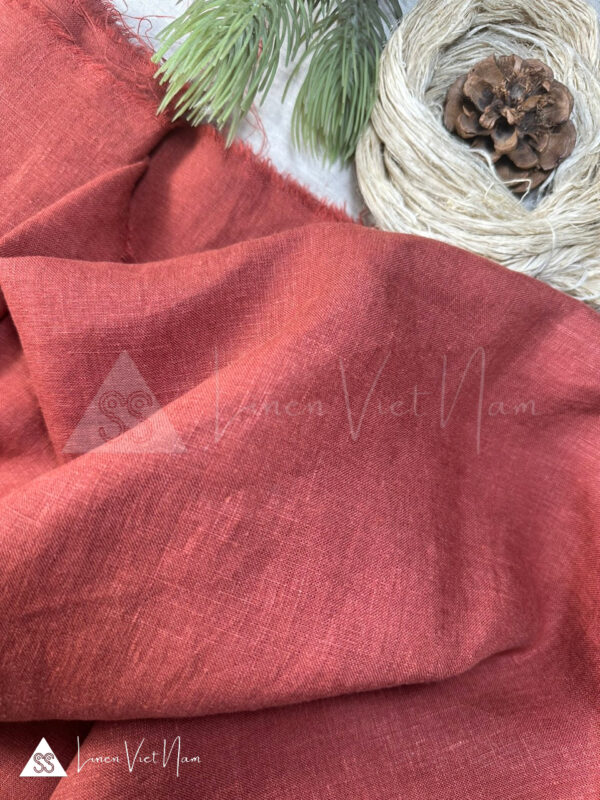
The aesthetic appeal of linen is one of its most cherished qualities. Its natural luster, subtle irregularities, and characteristic creases give it an elegant, relaxed, and organic look. It has a crisp yet soft hand feel that improves with wear. Polyester, being a synthetic, typically has a smoother, more uniform appearance.
It can be engineered to mimic various natural textures, but its inherent look is often sleek and consistent. The visual distinction between the rich texture of natural linen and the often more uniform finish of polyester is a significant factor in design choices.
Care and Maintenance
Here, polyester clearly wins in terms of ease of care. It is generally machine washable, quick to dry, and highly wrinkle-resistant, often requiring little to no ironing. Its colorfastness ensures that vibrant hues remain true over time. Linen, while also machine washable, is prone to wrinkling and often benefits from ironing or steaming to achieve a polished look.
While durable, it may require specific drying cycles or careful handling to prevent excessive creasing and maintain its natural drape. Understanding the fabric care instructions is essential for maximizing the lifespan of both textile types.
Environmental Impact
The environmental footprint of Linen and Polyester fabrics presents a critical point of comparison. Linen, as a natural fiber from the flax plant, is biodegradable and renewable. Its cultivation generally requires less water and fewer pesticides than cotton, making it an environmentally friendlier choice during its growth phase.
However, some processing methods can be energy-intensive. Polyester, derived from petroleum, is not biodegradable and contributes to plastic pollution, particularly through microplastic shedding during washing. Efforts are being made to produce recycled polyester, which significantly reduces its environmental impact by diverting plastic waste from landfills and oceans.
Cost Considerations
Generally, polyester is more cost-effective to produce and purchase due to its synthetic origin and efficient manufacturing processes. Its widespread availability and lower raw material costs contribute to its affordability.
Linen, being a natural fiber with more complex cultivation and processing requirements, typically commands a higher price. The labor-intensive nature of flax harvesting and fiber extraction, combined with its desirable natural qualities, places linen in a more premium price category.
Blending the Best: Linen-Polyester Fabric Combinations
Recognizing the distinct advantages of each fiber, textile manufacturers often create blends of Linen and Polyester fabrics to achieve hybrid materials that offer the best of both worlds. The primary goal of such blending is to mitigate the drawbacks of one fiber while enhancing the strengths of the other. For instance, a linen-polyester blend can offer the natural look and some of the breathability of linen but with improved wrinkle resistance and enhanced durability inherited from polyester.
These blended fabrics can possess better dimensional stability, less shrinkage, and easier care routines than pure linen, while providing a more natural feel and improved breathability compared to pure polyester.
Such blends are popular in apparel for their balance of comfort and practicality, and in home furnishings like curtains or upholstery where a natural aesthetic is desired but with added resilience and simpler maintenance. The specific ratio of linen to polyester will dictate the final properties, allowing for a wide range of applications and desired characteristics.
Choosing the Right Fabric for Your Needs
The decision between Linen and Polyester fabrics, or their blends, ultimately depends on the intended use and desired properties. Each fiber offers a unique set of benefits tailored to specific requirements.
For Apparel
For casual wear, summer clothing, or items where breathability and a natural, relaxed aesthetic are paramount, pure linen or high-linen blends are ideal. Think flowing dresses, comfortable shirts, and light trousers. For activewear, outdoor clothing, or garments requiring high durability, quick-drying properties, and wrinkle resistance, polyester or polyester-dominant blends are the superior choice.
Sportswear, rain jackets, and work uniforms frequently utilize polyester for its functional advantages. A blend could offer a stylish jacket that resists creases yet feels less ‘plastic-like’.
For Home Textiles
In home furnishings, the choice often comes down to aesthetic and practicality. For luxurious bedding, elegant tablecloths, or highly absorbent towels, the natural feel and superior moisture-wicking of linen are unmatched. For upholstery, curtains, or outdoor cushions, polyester‘s resilience, stain resistance, and colorfastness make it an excellent, long-lasting option. Blends can provide the best of both: linen‘s texture with polyester‘s durability for everyday home items that need to withstand wear and tear.
Specialty Applications
Beyond common uses, the unique properties of Linen and Polyester fabrics also lend themselves to specialty applications. Linen‘s strength and natural resistance to moths and carpet beetles make it suitable for historical restoration textiles or high-quality bookbinding. Polyester‘s chemical resistance, strength-to-weight ratio, and ability to be manufactured into specific forms (like microfibers) make it indispensable for industrial fabrics, safety gear, and filtration systems. Understanding these specialized uses further highlights the distinct value proposition of each material.
Innovations and Future Trends in Textile Science
The textile industry is continuously evolving, driven by demands for improved performance, sustainability, and aesthetic innovation for both Linen and Polyester fabrics. For polyester, significant advancements are focused on addressing its environmental impact, with recycled polyester (rPET) becoming increasingly prevalent.
New technologies also aim to create more breathable and softer iterations of polyester, mimicking natural fibers while retaining synthetic advantages. Efforts are also underway to develop biodegradable or bio-based polyester alternatives that offer similar performance characteristics without the fossil fuel dependency.
For linen, research is exploring sustainable processing methods that reduce water and chemical use. Innovations are also focused on enhancing linen‘s properties, such as treatments to improve wrinkle resistance without compromising its natural feel or breathability.
Furthermore, advanced blending techniques are creating new fabric compositions, combining linen with other natural or even smart fibers to unlock novel functionalities. The future of textiles points towards a synergistic approach, where the best attributes of various fibers are harnessed to meet diverse consumer and industrial needs responsibly and efficiently.
Making Informed Choices for a Thoughtful Lifestyle
The journey through the distinct worlds of Linen and Polyester fabrics reveals that neither is inherently ‘better’ than the other; rather, their superiority lies in their suitability for specific purposes. Linen offers unparalleled natural comfort, breathability, and an elegant, sustainable appeal, while polyester provides unmatched durability, low maintenance, and cost-effectiveness.
By understanding the unique attributes and limitations of each, and by recognizing the benefits of their thoughtful blends, consumers and manufacturers can make choices that align with their functional requirements, aesthetic preferences, and environmental values. Opting for the right fabric means investing in quality, longevity, and sustainability for a more thoughtful and informed lifestyle.