Post
DIFFERENTIATING PIECE-DYED LINEN AND YARN-DYED LINEN: PROS, CONS & HOW TO CHOOSE
In the textile industry, choosing the right dyeing method plays a crucial role in determining the quality and aesthetics of fabric products. For linen fabric, the two most common dyeing methods are piece dyeing and yarn dyeing. Each method has its own characteristics, advantages, and disadvantages that affect the quality and application of the fabric. This article will help you understand these two dyeing techniques in detail so that you can choose the right linen fabric for your needs.

What is piece dyed linen?
Piece dyeing, also known as fabric dyeing, is the process of dyeing the entire fabric after it has been woven. In this method, linen fabric is woven into large sheets before being immersed in dye baths to absorb color. This process ensures that the color is evenly distributed across the entire fabric surface.
Advantages of piece dyed linen
- Color uniformity: Since the fabric is dyed after weaving, the color is evenly distributed across the entire surface, ensuring a consistent look.
- Production flexibility: This method allows for mass production with uniform colors, making it suitable for large orders that require specific color consistency.
- Cost-effective: Piece dyeing is generally more economical than yarn dyeing, as the production process is simpler and requires less time.

Disadvantages of piece dyed linen
- Lower color fastness: Compared to yarn dyeing, the color of piece dyed fabric tends to fade faster after multiple washes since the dye adheres only to the fabric’s surface.
- Limited design options: This method is not suitable for creating intricate patterns such as plaids, stripes, or multi-colored motifs.
What is yarn-dyed linen?
Yarn dyeing is the process of dyeing individual yarns before they are woven into fabric. In this method, linen fibers are dyed separately before being woven into a complete textile piece. This approach allows for the creation of complex patterns and multi-colored designs on the fabric.
Advantages of yarn-dyed linen
- High color fastness: Because the dye penetrates deeply into each fiber, yarn-dyed fabric retains its color better and fades less after frequent washing.
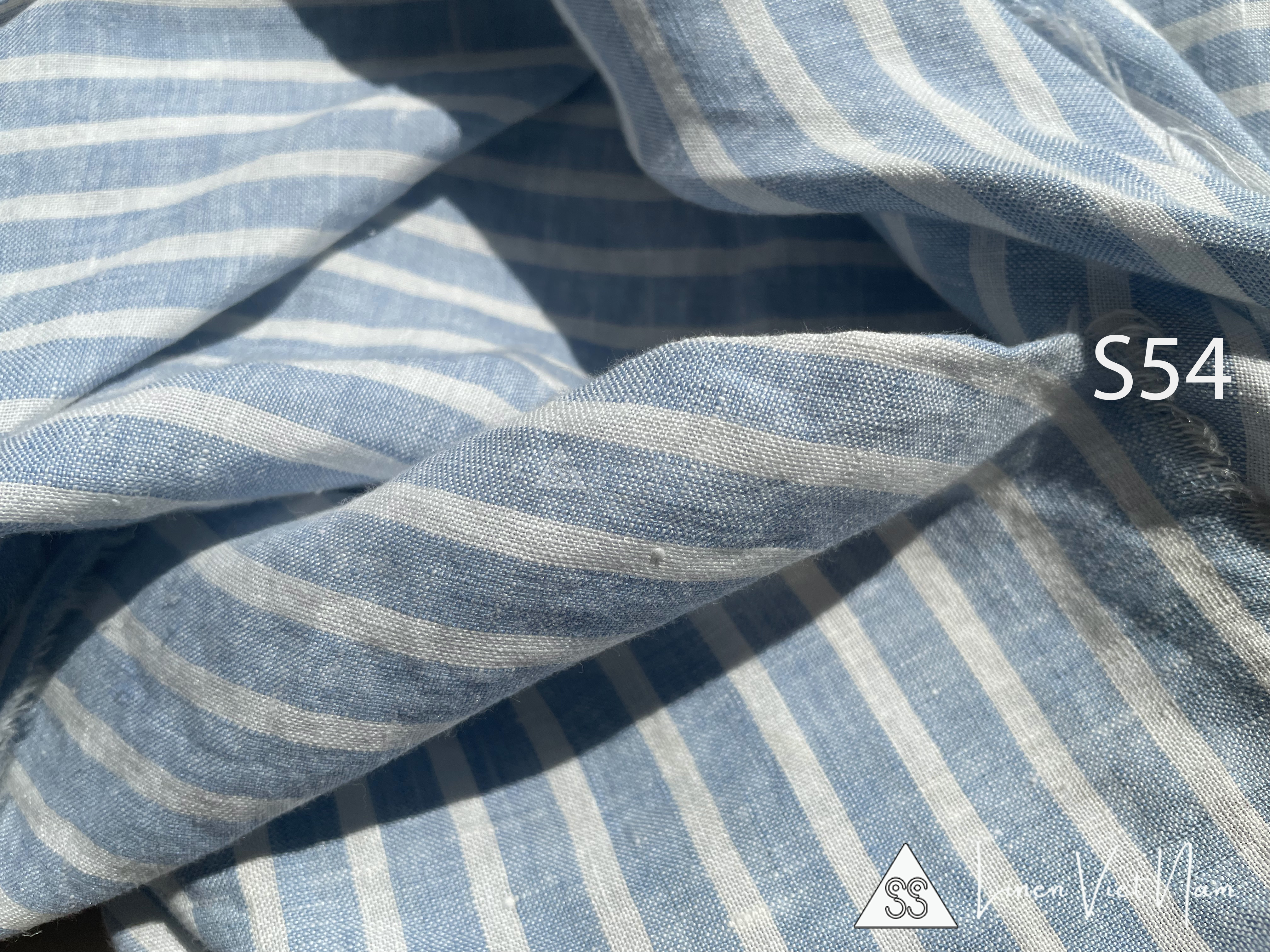
- Diverse design options: This technique enables the creation of intricate designs, including plaid, striped, and floral patterns, catering to a wide range of fashion and interior decor needs.
- Superior fabric quality: Yarn-dyed fabrics tend to have better quality due to the meticulous dyeing process and high production standards.

Disadvantages of yarn-dyed linen
- Higher production costs: The yarn-dyeing process is more complex and time-consuming, leading to higher costs compared to piece dyeing.
- Longer production time: Since each yarn must be dyed before weaving, the overall production time is extended.
Should you choose piece dyed linen or yarn-dyed linen?
Choosing between piece dyed and yarn-dyed linen depends on your specific needs:
- If you need fabric with uniform color, do not require intricate patterns, and want a budget-friendly option, piece dyed linen is the way to go. This type of linen is ideal for products such as curtains, bed sheets, and tablecloths where consistent color is prioritized.
- If you seek fabrics with complex designs, superior color fastness, and higher quality, yarn-dyed linen is a better choice. This fabric is suitable for high-end fashion, luxury home furnishings, and aesthetic-focused textile applications.
Which type of linen should you choose?
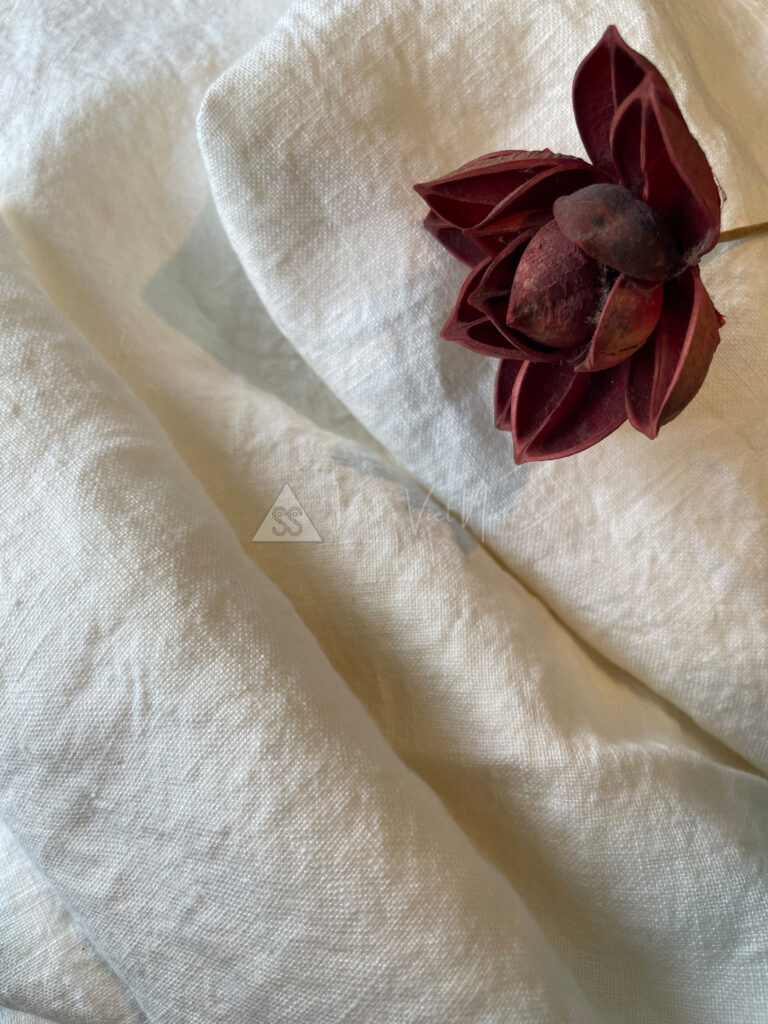
When it comes to high-quality linen, European linen – especially French linen – stands out as a superior option.
European linen
Produced from flax grown in European countries such as France, Belgium, and the Netherlands, European linen is renowned for its exceptional durability and refined texture. It is widely used in premium fashion and interior products.
French linen
French linen is woven from flax cultivated in northwestern France. This is the purest form of linen, free from any fiber blends, and is considered the highest-quality linen available—a dream material for linen enthusiasts.
Why choose french linen?
French linen is highly valued for its outstanding features:
Superior fiber quality
Flax plants grown in France benefit from an ideal climate—mild temperatures, high humidity, and nutrient-rich soil—which allows them to thrive naturally. As a result, the harvested flax fibers are long, smooth, and contain minimal impurities, making them exceptionally strong. When woven into fabric, French linen boasts a smooth, soft surface while maintaining the characteristic rustic texture that lower-quality linen often lacks.

Strict European production standards
French linen typically meets the EUROPEAN FLAX® certification, a prestigious European standard that ensures the flax fibers are produced entirely in Europe while adhering to stringent sustainability and transparency guidelines. This certification guarantees that the flax is non-GMO, grown without artificial irrigation, and free from harmful chemicals. Additionally, many French linen fabrics hold the OEKO-TEX® certification, ensuring absolute safety for human skin, including sensitive skin types.

Eco-friendly and sustainable
From cultivation to production, French linen is carefully monitored to minimize environmental impact. Flax farming in France requires no excessive water irrigation or chemical fertilizers, and the fabric is fully biodegradable at the end of its lifecycle. Choosing French linen means investing in a high-quality product while making an environmentally responsible choice.
High aesthetic value and versatile applications
With a distinctive weaving structure, French linen holds its shape well and does not wrinkle excessively like lower-quality linen. This makes it an ideal choice for garments that combine elegance and natural comfort. Whether used in high-end fashion, table linens, bedding, or curtains, French linen enhances both personal style and interior aesthetics.

Which linen should you choose?
Linen fabric is an excellent choice for those who appreciate natural, breathable, and sustainable textiles. However, to get the best experience, it’s essential to carefully consider different linen types—from dyeing methods to fabric origins.
- If you prioritize affordability and need consistent colors for simple products, piece dyed linen is the most practical solution.
- If you seek superior color durability, intricate designs, and high aesthetic value, yarn-dyed linen is the best choice.
- And if you desire the highest level of luxury, sustainability, and refinement, investing in French linen is the ultimate decision. This premium fabric is truly the “queen of the linen world.”
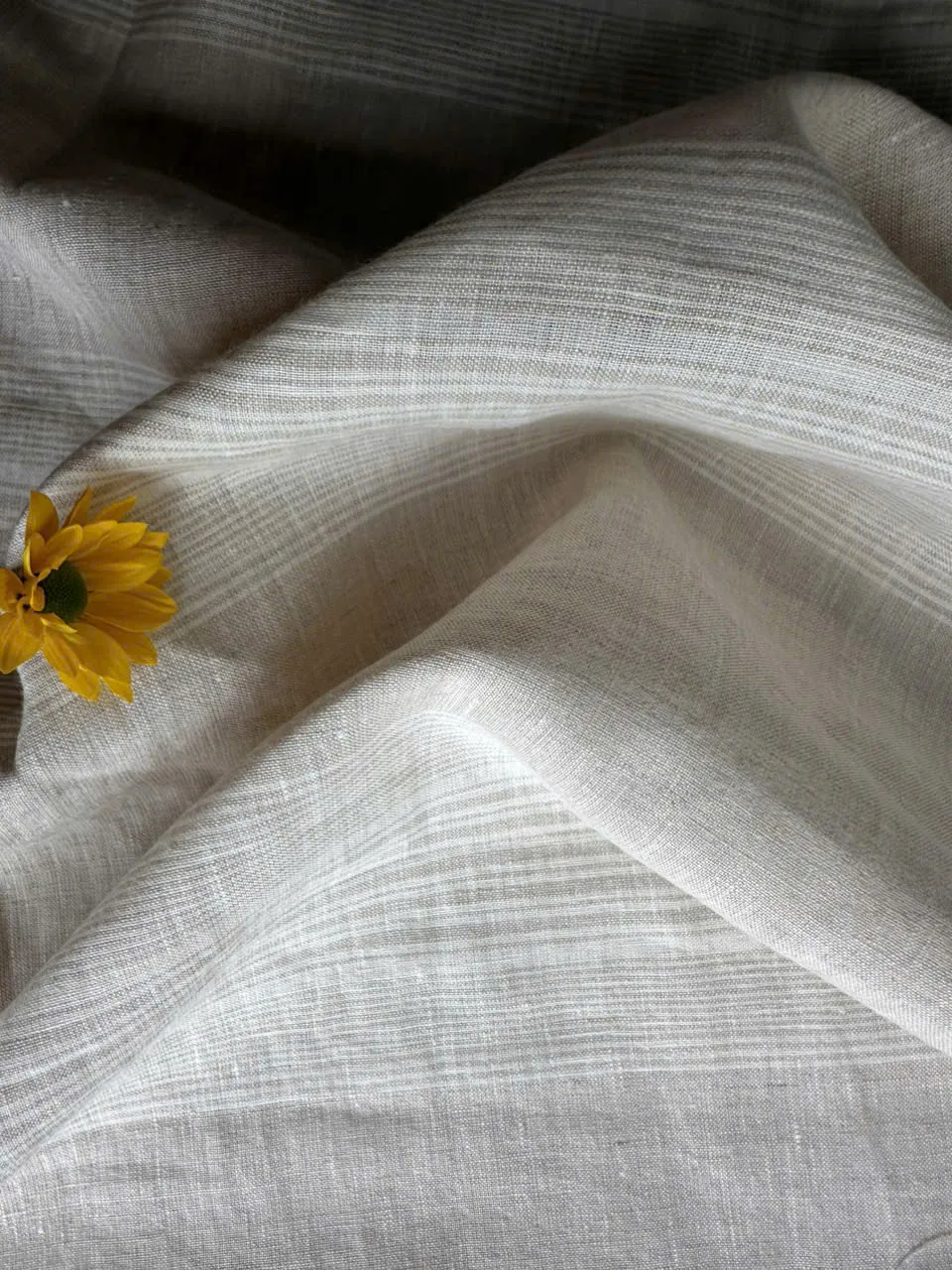
Discover premium European linen and French linen at Linen Vietnam
At Linen Vietnam, we are committed to providing high-quality imported linen with clear origins, transparent certifications, and thorough quality inspections. From EUROPEAN FLAX®-certified European linen to French linen of the highest standards, we are ready to accompany you in crafting exquisite, durable, and eco-friendly textile products.