Post
HOW TO HANDLE ITCHY LINEN: PRESERVING ITS NATURAL SOFTNESS
French linen and other European-imported linens are known for exceptional quality and durability. However, many users find them rough or itchy. Wondering why itchy linen happens, and how to soften it effectively? This guide reveals everything from flax fiber structure to eco-friendly softening products by Linen Vietnam.
This article will help you understand why linen feels itchy, how to effectively soften it, and introduce specialized treatment products from Linen Vietnam to enhance your linen experience.
Why does linen feel itchy?
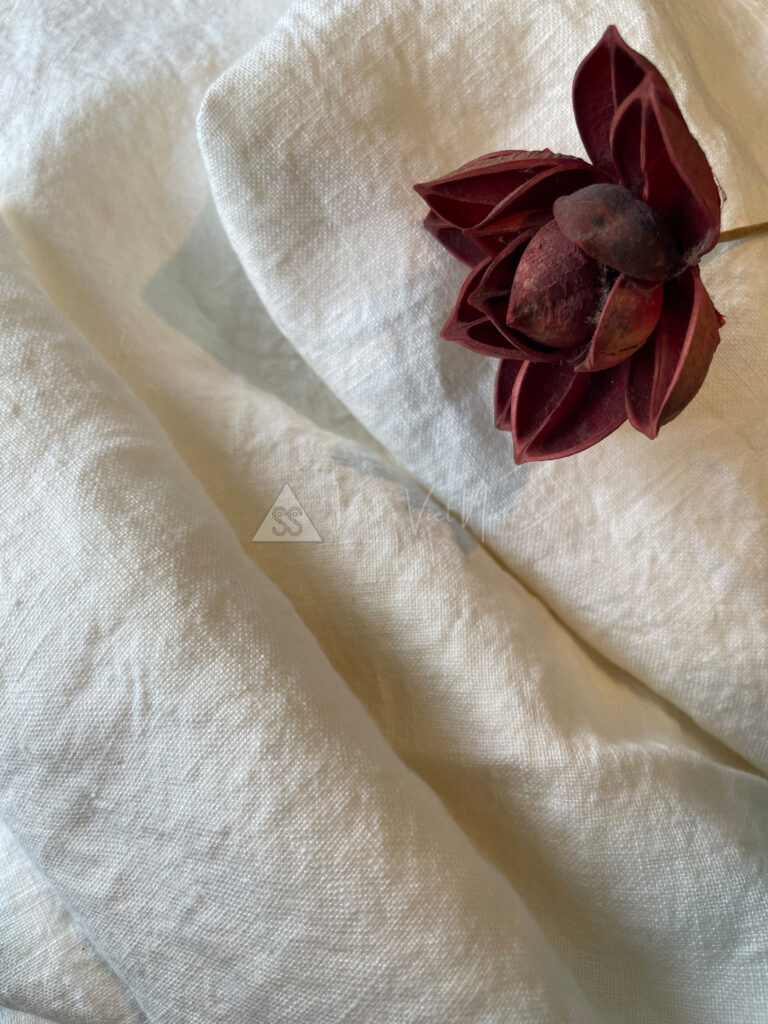
European linen and other imported linen types share one common trait: they are woven from natural flax fibers. This gives linen its advantages of durability, breathability, and excellent moisture absorption. However, it also comes with an initial roughness and itchiness that some users may experience.
Untreated raw linen – The primary cause of itchiness
Pure linen fabric retains the natural structure of flax fibers after weaving. If it has not undergone finishing processes such as stonewashing or softening treatments, the fabric may still contain natural impurities, including tiny remnants of the flax plant’s outer husk and stem.
If linen has not been thoroughly processed, these small residual particles may remain on the fabric surface, causing an itchy sensation when it comes into contact with the skin.
The natural structure of flax fibers
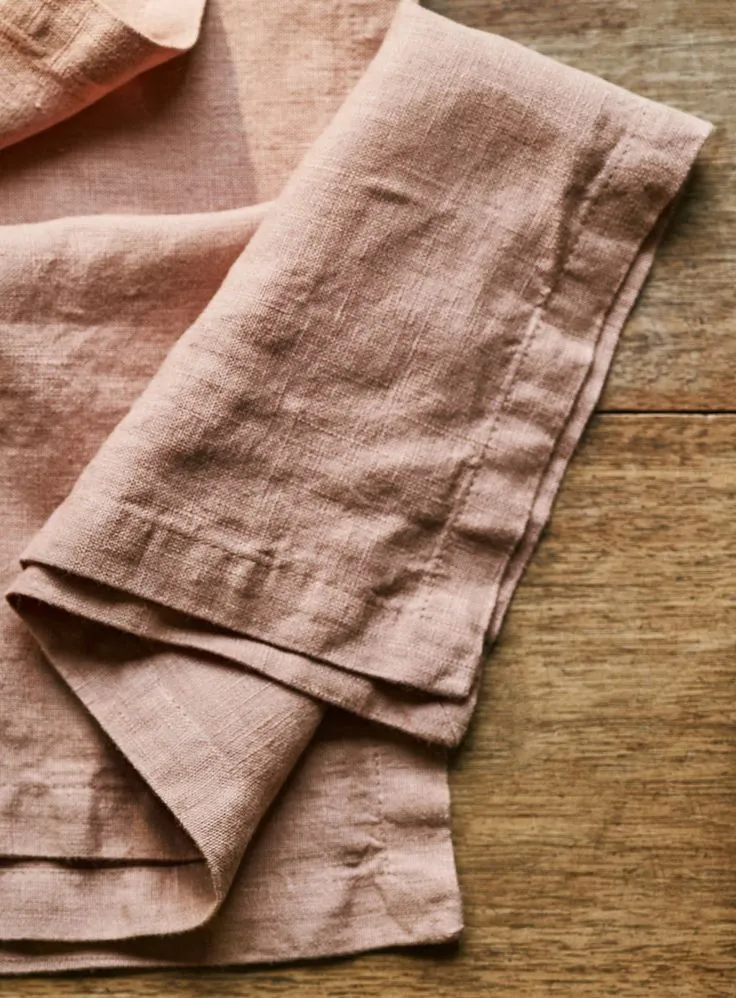
Linen fibers are composed of multiple layers of cellulose, making them significantly stronger than single-celled cotton fibers. However, this same feature also contributes to linen’s initial stiffness and rough texture. Compared to cotton, flax fibers have a more complex structure, which enhances durability but makes the surface feel coarser when unprocessed.
Additionally, unprocessed linen fibers may still contain residual flax seeds, fiber husks, or even tiny stem fragments, which contribute to the itchy feeling. This is not a manufacturing defect but rather a sign of a truly natural, chemical-free product.
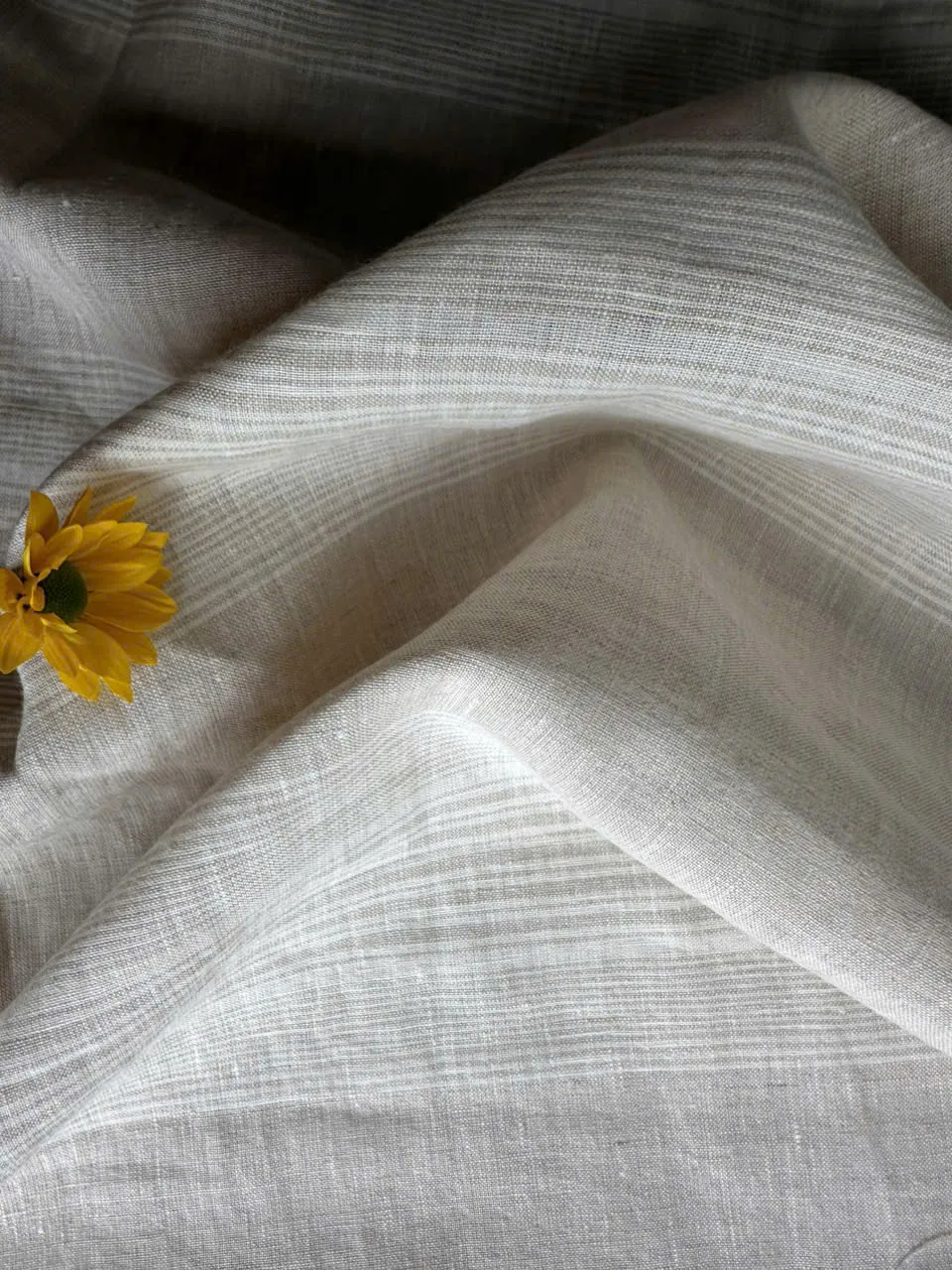
Linen’s natural softening process
Unlike synthetic fabrics or cotton, linen becomes softer over time. With each wash, the fibers gradually loosen, becoming more flexible and reducing the initial stiffness. This means that any itchiness you experience is only temporary and not an inherent flaw of the fabric.
High-end imported linen, especially French linen, is often pre-treated with a stonewashing process, which removes most impurities and softens the fabric before it reaches consumers. However, if you purchase untreated linen or upholstery-grade linen, you can use the following methods to improve its softness.
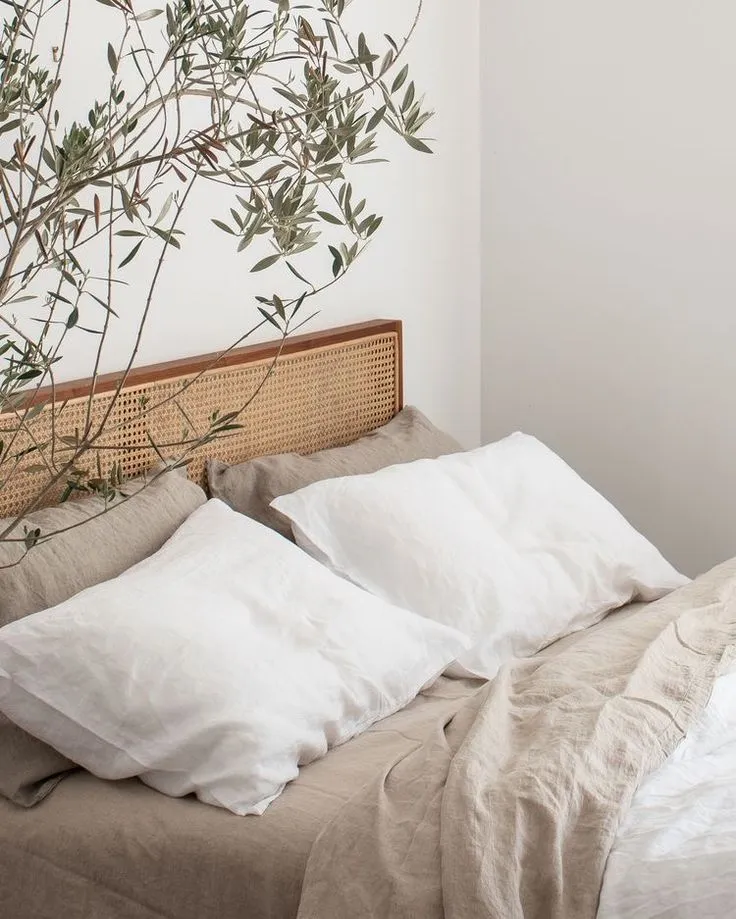
Effective ways to soften itchy linen
If your linen fabric feels rough and itchy, don’t worry—there are several ways to soften it while preserving its natural properties.
Soaking in warm water with specialized detergents
One of the simplest and most effective ways to remove residual impurities from European linen is to soak the fabric in warm water for 60–90 minutes.
- Step 1: Prepare a basin of warm water, around 30–40°C.
- Step 2: Add a small amount of pumice detergent or enzyme-based liquid detergent.
- Step 3: Soak the fabric for 60–90 minutes. This helps loosen flax fibers and make it easier to remove impurities.
- Step 4: Use a soft brush to gently scrub both sides of the fabric to dislodge any remaining particles.
After completing this process, you will notice that the fabric becomes significantly softer and no longer causes skin irritation.
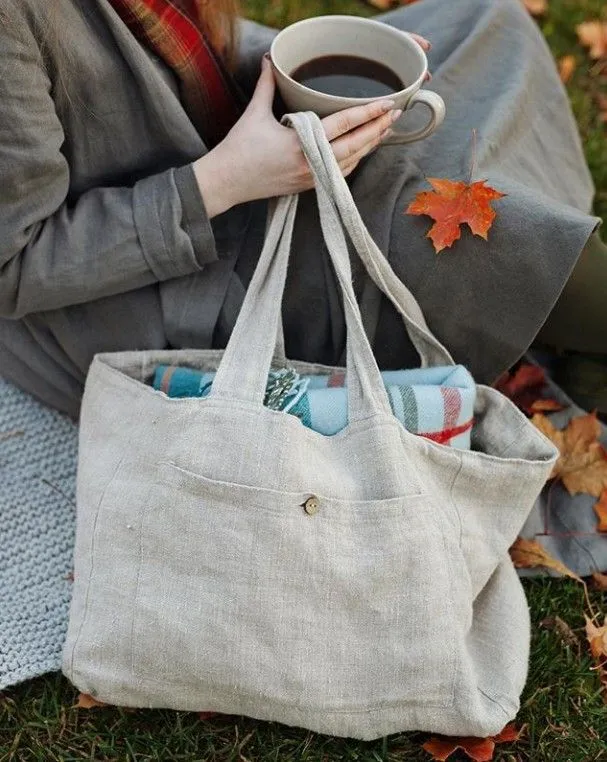
Using a washing machine on a gentle cycle
If you don’t have time for a manual soak, you can use a washing machine’s gentle cycle along with an enzyme-based fabric softener. This mild washing process allows linen to achieve its natural softness without compromising the fiber structure.
Important notes:
- Avoid commercial fabric softeners, as they may strip linen of its natural properties.
- Do not wash linen with excessively hot water, as it may cause shrinkage.
- Avoid high-heat tumble drying—air drying is the best way to maintain linen’s optimal softness.
Linen Vietnam’s specialized linen treatment products
To simplify the process of softening imported linen, Linen Vietnam offers two specialized products that effectively treat linen while preserving its natural qualities.
ECO STONEWASHING ENZYM Pumice Detergent
- Specifically designed for pure linen and denim fabrics.
- Softens fabric and removes impurities without compromising linen’s durability.
- Causes slight fabric fading (~5%), making it ideal for yarn-dyed linen (not recommended for piece-dyed linen).

PRECIOUS TOUCH SOFTNER Enzyme-Based Detergent
- Does not cause fabric fading, making it suitable for piece-dyed linen or any natural fabric.
- Softens fabric without affecting fiber structure, preserving the durability of French linen.
- Suitable for both hand washing and gentle machine washing.

Which linen should you choose?
When selecting linen—especially imported varieties—it’s best to opt for pre-treated fabrics to ensure softness and prevent itchiness. European and French linen are carefully processed, making them naturally soft from the first use.
High-quality linen is durable and long-lasting, but it must be properly treated to achieve the ideal softness.
If you want to experience premium imported linen without worrying about itchiness, choose pre-treated French or European linen. However, if you have unprocessed linen, you can apply the softening methods outlined above to enjoy the full comfort and beauty of natural linen.
At Linen Vietnam, we are committed to providing high-quality imported linen and specialized fabric softening solutions to optimize your experience. Contact us for expert recommendations on the best linen products for your needs!