Post
European Linen production process: From raw materials to premium products

May
European Linen is renowned as one of the finest natural materials, known for its excellent absorbency, durability, and environmental friendliness. But how is European linen produced to ensure it meets the highest quality standards? Join Linen Vietnam as we explore the European Linen production process in detail in the article below!
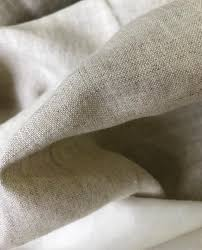
The European Linen production process
Linen planting environment
European Linen is made from the fibers of the flax plant, which thrives in cool, humid environments. The climate plays a crucial role in determining the quality of flax fibers. Flax is primarily grown in European countries such as France and Belgium, where the climate conditions are ideal for flax cultivation. The flax plants in these countries produce higher-quality fibers compared to those grown in regions like Russia or China, where the fibers are typically shorter and of lower quality. To ensure the best linen quality, flax must be grown in a stable environment with proper humidity and moderate temperatures.

Flax harvesting
The flax plant reaches its peak harvest time when the stem turns yellow and the seeds turn brown. This is the ideal moment for harvesting high-quality flax fibers. While some regions may harvest the flax plants before the seeds have sprouted, manual harvesting is highly recommended for preserving the plant’s root system. Manual harvesting helps produce longer, softer fibers, which are valued more than those harvested mechanically. The flax plants used for linen production are usually taller, with fewer branches, allowing for the extraction of long, strong fibers from the stems.

Drying and soaking Process
Once harvested, the flax stems are dried outdoors for several weeks before being soaked to separate the fibers from the plant. The soaking process typically uses water to soften the plant material, which makes it easier to remove the fibers, resulting in softer and more durable linen. The flax can be soaked in ponds or marshes to remove impurities, though some regions may use a dew-soaking method, which can result in a less uniform fiber quality and darker hues.

Scutching and spinning
After soaking, the flax fibers undergo the scutching process, a manual technique that separates the fibers into long, thin segments. Once scutching is complete, the fibers are spun into finer, smoother threads. The spinning process helps create flax fibers with a natural luster, resulting in superior-quality linen fabric.
Linen weaving
Once the flax fibers are prepared, they are woven into linen fabric using a loom. This process involves weaving the flax threads both horizontally and vertically to form linen sheets. Depending on the intended use, the linen can be woven in various styles, making it versatile for different products.
Finishing and quality control
After the linen fabric is woven, it undergoes several finishing processes, including softening, bleaching, dyeing, and printing. These steps enhance the durability and aesthetic appeal of the fabric. Finally, the linen fabric is thoroughly inspected for quality, ensuring that the final product meets market standards.
European Linen processing techniques
Piece-dyeing linen
Piece-dyeing involves dyeing the entire fabric after weaving. This method helps achieve uniform color and is often used for home textiles or fashion items that require a specific color.
Yarn-dyeing linen
Unlike piece-dyeing, yarn-dyeing involves dyeing individual threads before they are woven into fabric. This technique creates a unique mix of colors, resulting in a fabric with special effects and is often used for high-end products and custom designs.

Wrinkled linen
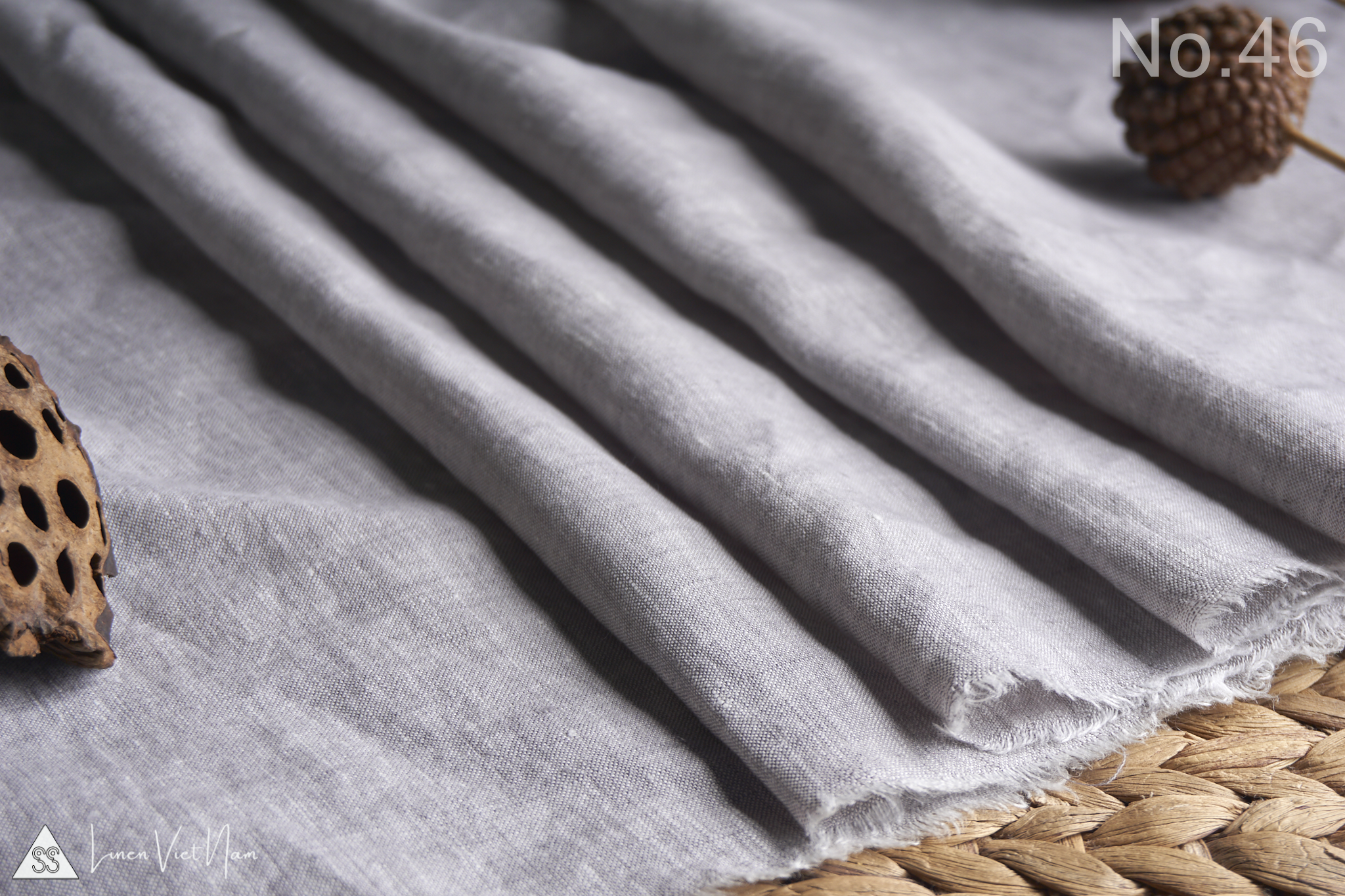
Linen naturally wrinkles, which adds to its distinct charm and natural beauty. While some may consider wrinkles a downside, others appreciate the luxurious, timeless look they bring. However, various treatments can be applied to reduce wrinkles, although the natural crinkle remains a beloved feature of linen.
Linen treatment
Stonewashed and Enzyme-washed are two popular treatment methods that enhance the beauty and softness of linen.
- Stonewashed: This technique uses pebbles or pumice stones to create a naturally worn look on the fabric. It softens the linen, reduces wrinkles, and gives it a vintage feel, making it perfect for fashion items.
- Enzyme-washed: Using natural enzymes, this treatment softens the fabric by breaking down the plant cells in the flax fibers. It gives the linen a smooth, glossy finish without compromising its durability.
Conclusion
With its meticulous production process and skilled craftsmanship, European Linen not only provides comfort but also offers high aesthetic value and durability. If you’re looking for high-quality linen products, don’t miss exploring the premium European linen collection from Linen Vietnam, where you’ll find exceptional linen fabrics to meet diverse market needs.
Discover our high-quality European Linen products at Linen Vietnam and experience the difference in both quality and durability!